Voices of Witness Installation

Until end of October

About the Installation

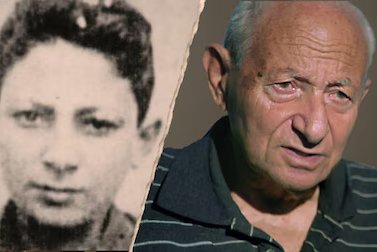
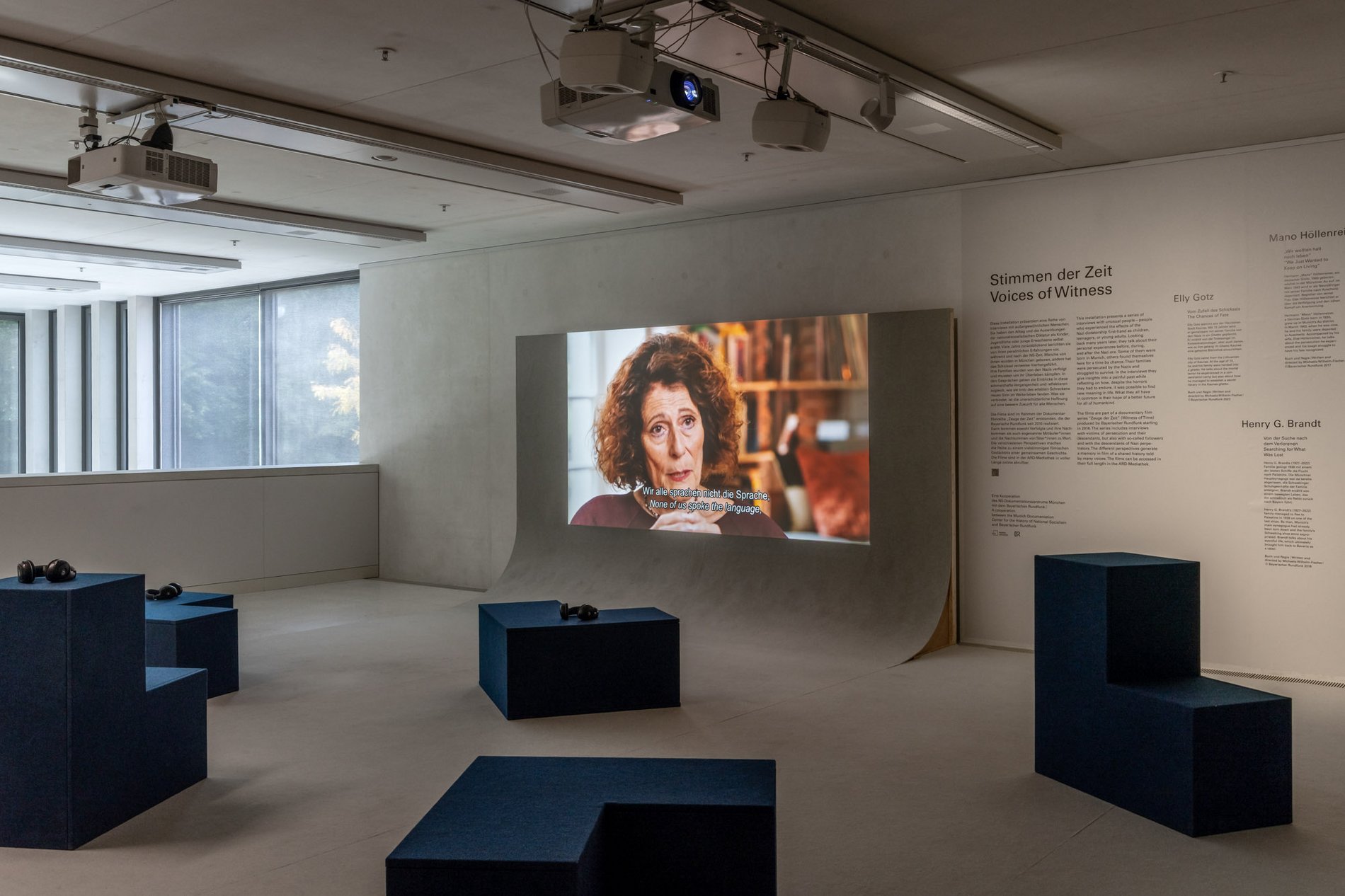
The installation Voices of Witness presents a series of interviews with unusual people—People who experienced the effects of the Nazi dictatorship first-hand as children, teenagers, or young adults. Looking back many years later, they talk about their personal experiences before, during, and after the Nazi era. Some of them were born in Munich, others found themselves here for a time by chance. Their families were persecuted by the Nazis and struggled to survive. In the interviews they give insights into a painful past while reflecting on how, despite the Horrors they had to endure, it was possible to find new meaning in life. What they all have in common is their hope of a better future for all of humankind.

The films are part of a documentary film series Zeuge der Zeit (Witness of Time) produced by Bayerischer Rundfunk starting in 2016. The series includes interviews with victims of persecution and their descendants, but also with so-called followers and with the descendants of Nazi perpetrators. The different perspectives generate a memory in film of a shared history told by many voices. 
Information

Venue
Munich Documentation Center, Gallery


A cooperation between the Munich Documentation Center for the History of National Socialism and Bayerischer Rundfunk


The films can be accessed in their full length in the ARD-Mediathek.

Elly Gotz

All photos: © Bayerischer Rundfunk

The Chances of Fate

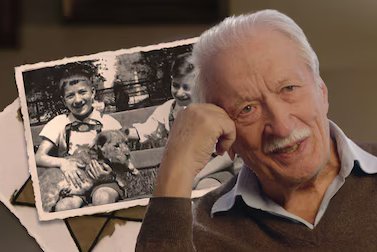
Elly Gotz came from the Lithuanian city of Kaunas. At the age of 13, he and his family were herded into a ghetto. He talks about the mortal terror he experienced in a con‑ centration camp but also about how he managed to establish a secret library in the Kaunas ghetto.

Eva Umlauf

Legacy of Emotions

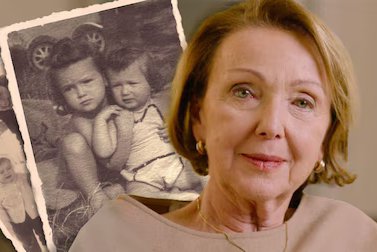
It was minus 20 degrees when Eva was born in the German “work camp for Jews” in Nováky (now Slovakia) on December 19, 1942. Eva Umlauf was one of the few children to be Born in the camp who escaped annihilation. It is a miracle than she is able to tell her story to future Generations.

Mano Höllenreiner

“We Just Wanted to Keep on Living”

Hermann “Mano” Höllenreiner, a German Sinto born in 1933, grew up in Munich’s Au district. In March 1943, when he was nine, he and his family were deported to Auschwitz. Accompanied by his wife, Else Höllenreiner, he talks about the persecution he experienced and his tough struggle to have his fate recognized.

Charlotte Knobloch

A Childhood in Hiding

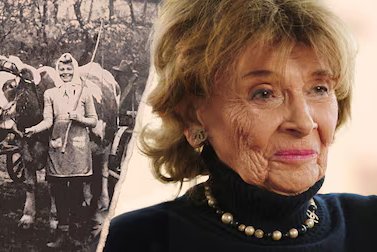
Born as Charlotte Neuland in Munich on October 29, 1932, she experienced the violence of the November pogroms as a six-year-old. In 1941, her father managed to hide her on a Franconian farm to save her from deportation. After the war, Charlotte Knobloch was to have a decisive role in Shaping Jewish life in Germany.

Ernst Grube

Concentration Camp Child, Jew, Anti-Fascist

Ernst Grube was born in Munich in 1932. As an eight-year-old he had to wear the yellow star. He was deported in 1945 on one of the last Transports to Theresienstadt concentration camp. After the war, he became active in the Communist Party and was there-fore arrested. To this day, he continues to give talks at schools as a contemporary witness.

Rachel Salamander

Traces into the Future

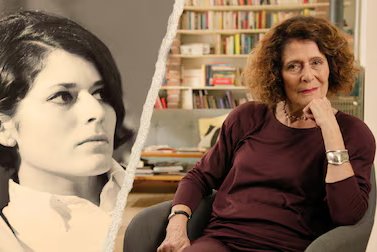
Born in 1949, literature specialist Rachel Salamander is the daughter of Holocaust survivors and grew up in a displaced persons camp near Munich. She talks about her childhood in the country of the Nazi perpetrators, the long shadow cast by the Shoah, and the revival of Jewish culture.

Abba Naor

“We Always Came Back to the Camp”

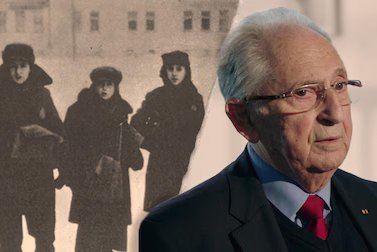
Abba Naor was 13 when the Germans occupied his homeland Lithuania. On May 2, 1945, he was liberated near Bad Tölz while on a death march. Between those two dates lay years of horror. Naor talks about his terrible experiences and about the challenges of “being human” following the Shoah.

Henry G. Brandt

Searching for What Was Lost

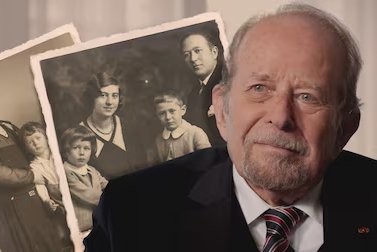
Henry G. Brandt’s (1927–2022) family managed to flee to Palestine in 1939 on one of the last ships. By then, Munich’s main synagogue had already been torn down and the family’s Schwabing shoe store expropriated. Brandt talks about his eventful life, which ultimately brought him back to Bavaria as a rabbi.

Marianne Koch

A Childhood in Hiding

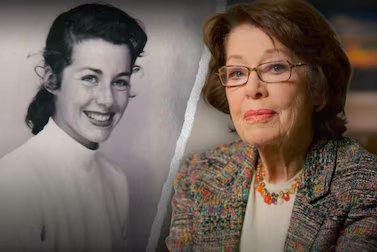
Born as Charlotte Neuland in Munich on October 29, 1932, she experienced the violence of the November pogroms as a six-year-old. In 1941, her father managed to hide her on a Franconian farm to save her from deportation. After the war, Charlotte Knobloch was to have a decisive role in Shaping Jewish life in Germany.

Max Volpert

A Boy from Lithuania

Max Volpert (1931–2021) was a child of a Jewish family from Kaunas. Following the German invasion, he narrowly sur vived selection in the ghetto, forced labor in a concentration camp, and a death march. Only later did he learn that his little sister and his mother had been murdered in Auschwitz.

A cooperation with